
To create an economy that consumes less carbon in the future, farmers can contribute a lot to this. This is especially true in Alberta since it has the boreal forest and grasslands, which are 2 crucial carbon sinks. Moreover, this is where ⅓ of Canada’s agricultural land is. You can also find here some of the greatest solar and wind energy resources.
Many people see solutions to climate issues as a burden in their daily lives. However, farming is one of these solutions. Besides resolving climate issues, farming also offers a lot of benefits such as better soil fertility, more economic opportunities, better management of ...
-
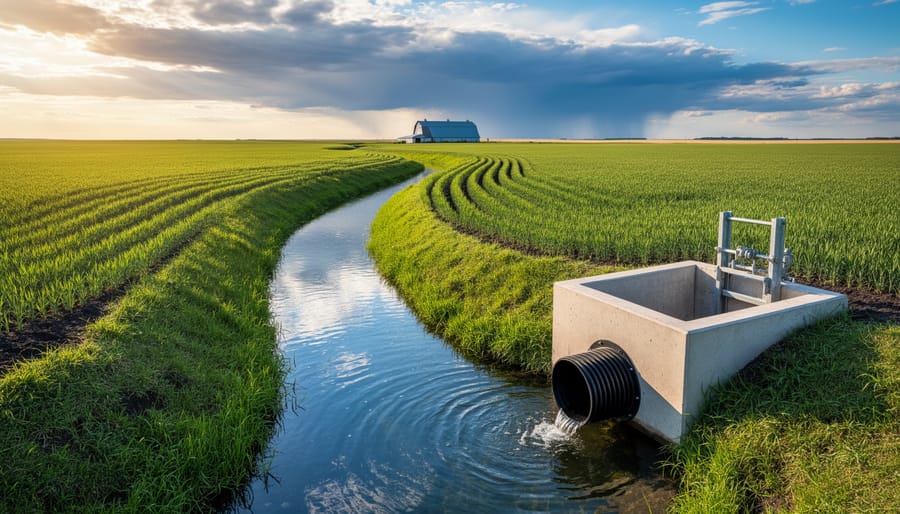 Climate Adaptation and Resilience Soil-Water Management Water Management and Conservation
How Modern Drainage Technology Protects Your Fields from Flooding Damage
Install subsurface drainage systems with perforated pipes buried 0.9 to…
-
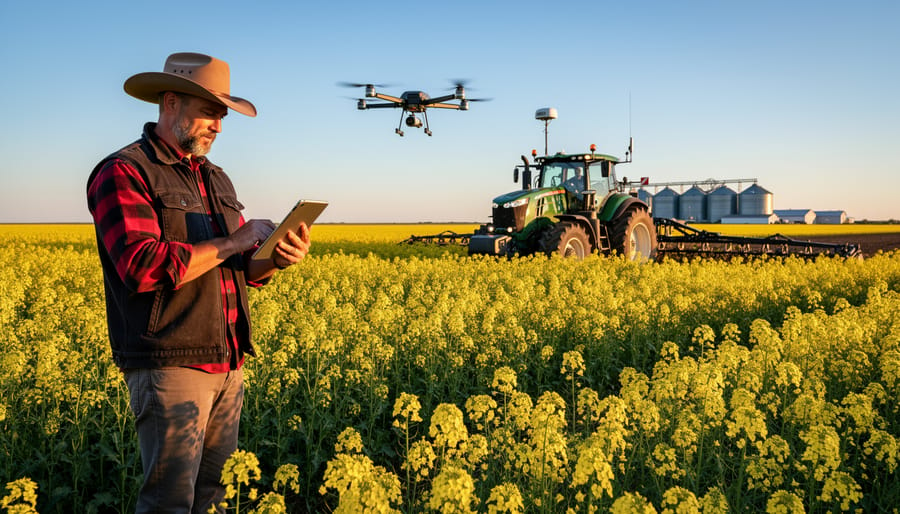 Education and Knowledge Sharing
AI and Agriculture: How Smart Technology Is Transforming Farm Learning in Canada
# AI and Agriculture: Transforming Canadian Farms Through Smart Technology…
-
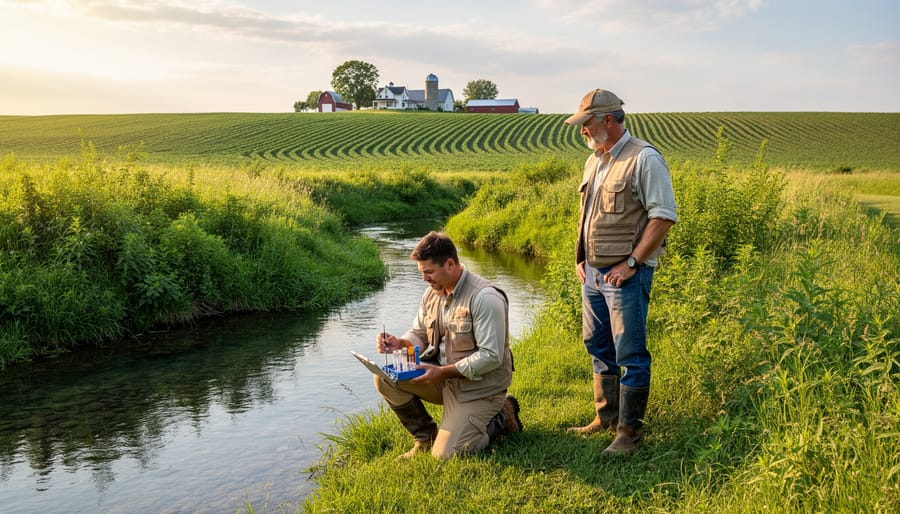 Monitoring, Metrics & Certification
How Minnesota’s Water Quality Program Could Transform Canadian Farming
Minnesota’s Agricultural Water Quality Certification Program stands as North America’s…
-
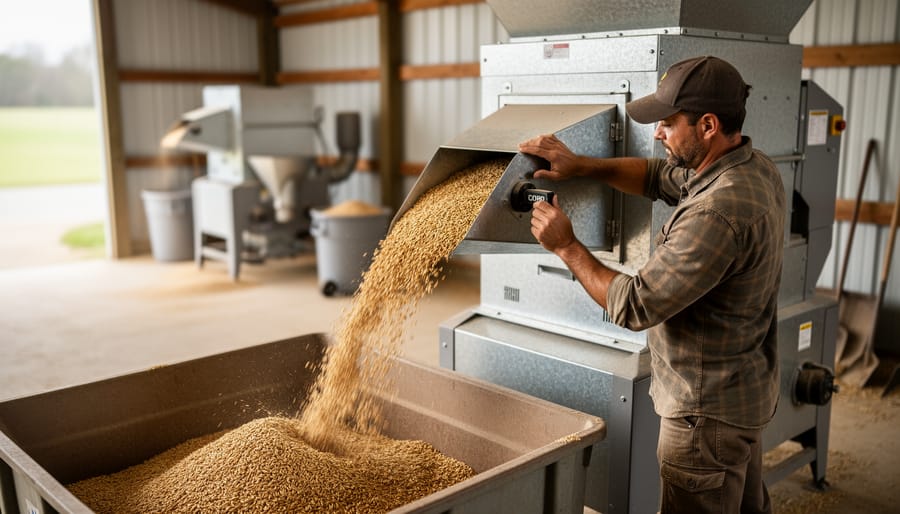 Waste and Resource Management
Your Crop is Perfect, So Why Are You Wasting Money Processing It More?
Review your current cleaning, sorting, and packaging procedures to identify…