
To create an economy that consumes less carbon in the future, farmers can contribute a lot to this. This is especially true in Alberta since it has the boreal forest and grasslands, which are 2 crucial carbon sinks. Moreover, this is where ⅓ of Canada’s agricultural land is. You can also find here some of the greatest solar and wind energy resources.
Many people see solutions to climate issues as a burden in their daily lives. However, farming is one of these solutions. Besides resolving climate issues, farming also offers a lot of benefits such as better soil fertility, more economic opportunities, better management of ...
-
 Uncategorized
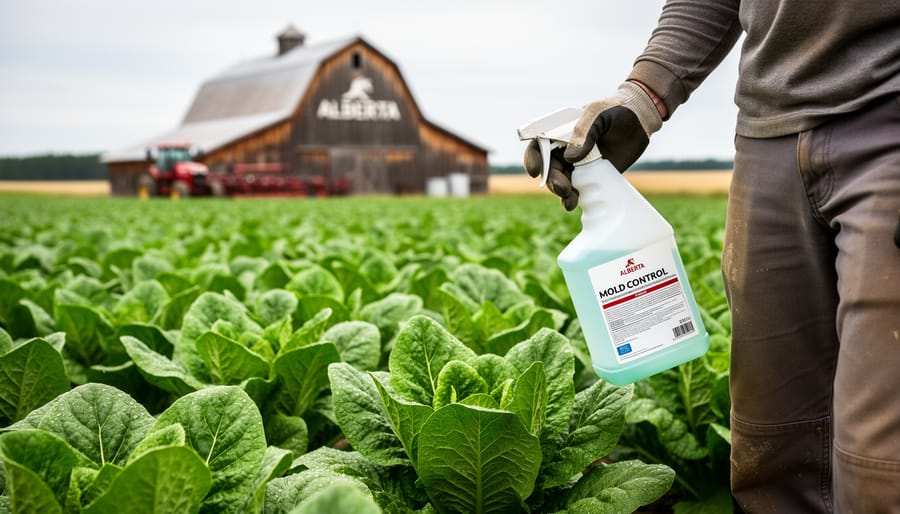
EPA Registered Mold Growth Inhibitors: Their Role in Agrochemical Use and Residue Monitoring for Certification
EPA registered mold growth inhibitors like Concrobium Mold Control Plus,…
-
 Uncategorized
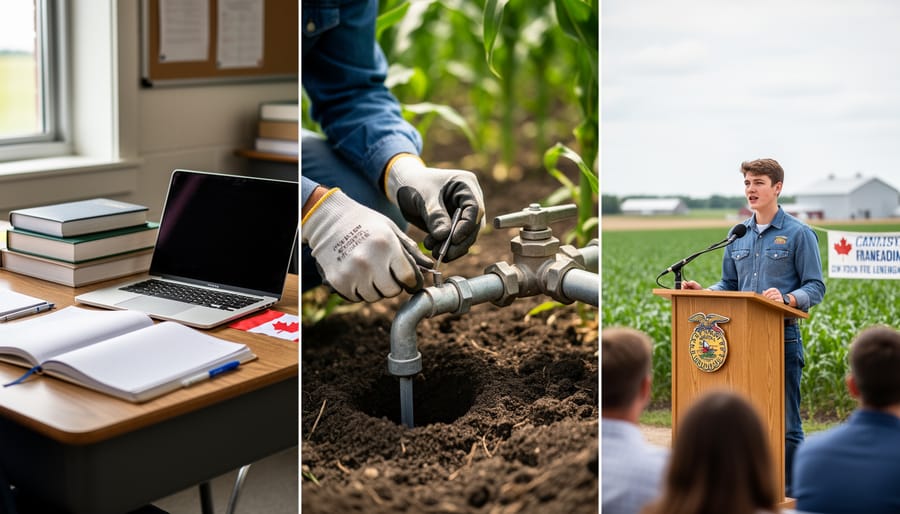
3 Components of Agricultural Education Programs: How They Work, Who Qualifies, and Where to Get Support
Agricultural education programs in Canada prepare students for careers in…
-
 Uncategorized
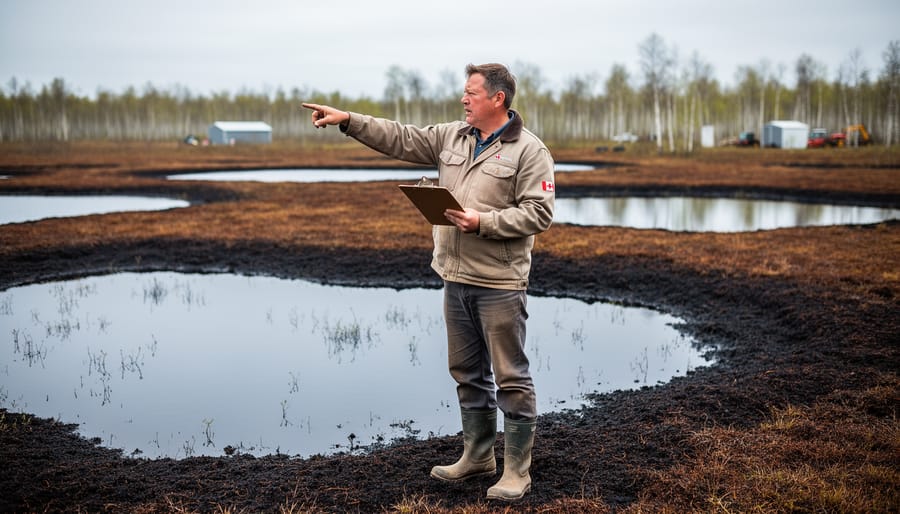
How Much Does Peat Carbon Sequestration Cost? A Practical Analysis for Canadian Farmers (2026)
Peat carbon sequestration projects in Canada typically cost between $500…
-
 Uncategorized
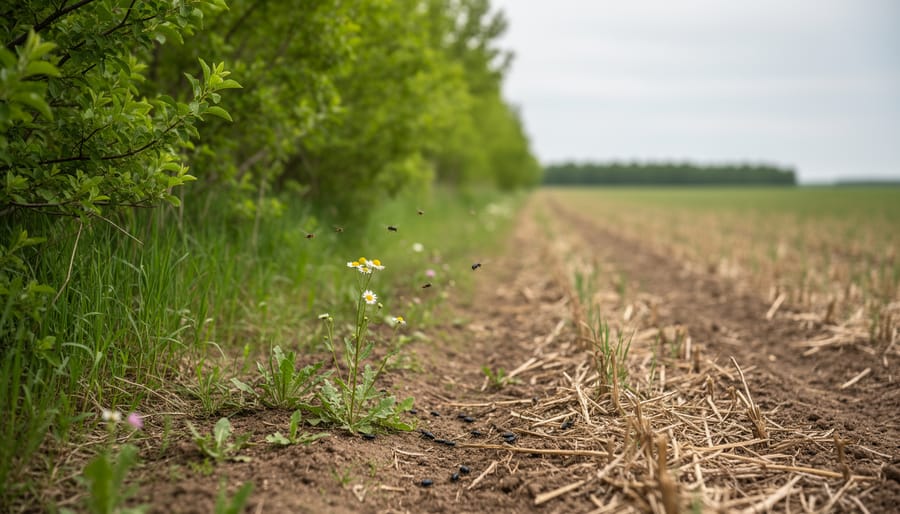
Is Biodiversity Increasing or Decreasing? What the Data Reveals for Regenerative Agriculture
Biodiversity is declining globally at rates not seen in 10…