OACC / CABC OACC - Organic Agriculture Centre of Canada

OACC homepage
Agriculture in the Age of Declining Fossil Fuels

by Tracy Salisbury and Brenda Frick

“Every calorie of food produced requires, on average, ten calories of fossil-fuel inputs. This is a food system profoundly vulnerable, at every level, to fuel shortages and skyrocketing prices,” writes Richard Heinberg, an American journalist and educator who has written extensively on ecological issues, including oil depletion. He is the author of eight books and will be a featured speaker at the upcoming Organic Connections conference being held November 16-18, 2008 in Saskatoon.

The rapidly rising price of oil is reflected in the increasing costs of all fossil fuel-based agricultural inputs including fuel, fertilizer, pesticides and transportation expenses. This impacts all aspects of agriculture.

Richard Heinberg and others predict that worldwide we will reach a peak oil situation in the year 2010. That is, we will have maximized the amount of oil that can be produced and will be heading into a gradual decline of viable fuel stocks. He gives an intriguing view of the ramifications of living in a peak oil reality and offers some dynamic solutions to consider.

He writes: “Modern industrial agriculture has been described as a method of using soil to turn petroleum and gas into food. We use natural gas to make fertilizer, and oil to fuel farm machinery and power irrigation pumps, as a feedstock for pesticides and herbicides, in the maintenance of animal operations, in crop storage and drying, and for transportation of farm inputs and outputs.”

He also says: “Traditional forms of agriculture produced a small solar energy surplus: each pound of food contained somewhat more stored energy from sunlight than humans and their animals had to expend in growing it.

“Today, between four and several hundred times the energy stored in the food is typically expended in growing, packaging, and transporting it. This is because modern industrial agriculture is very energy intensive - from the diesel fuel consumed by large agribusiness machinery; to the industrial production of nitrogen fertilizers, pesticides and herbicides; to the 1300 miles in transportation that the average food item travels to get to your dinner table; to the energy invested in packaging and then cooking the meal. This energy deficit can only be maintained because of the availability of cheap fossil fuels, a temporary gift from the Earth's geologic past.”

“Trucks move most of the world's food, even though trucking is ten times more energy-intensive than moving food by train or barge. Refrigerated jets move a small but growing proportion of food, almost entirely to wealthy industrial nations, at 60 times the energy cost of sea transport.”

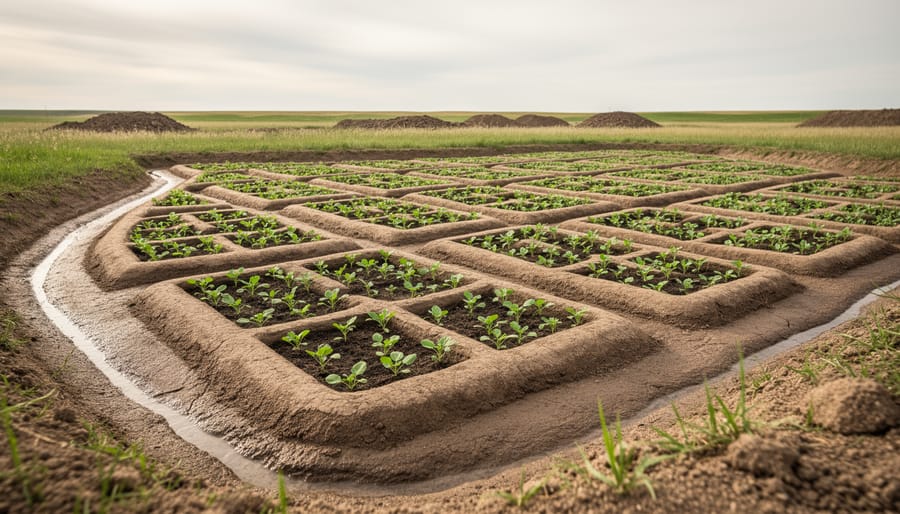
So what can we do agriculturally to mitigate these effects? The principles and practices common to organic agriculture have much to offer. Organic farmers concentrate on growing their own fertilizer through the cultivation of legumes and green manures, replacing a costly fossil fuel based input with a crop. This helps by sequestering carbon, reducing nitrous oxide air pollution and fertilizer losses in surface water runoff. Raising livestock in a grass-based system optimizes the use of marginal lands and offers a method of production using fewer fossil fuels.

Organic farms tend to be smaller and therefore contribute to rural revitalization with more farmers on the land.

Organic farmers have made some progress on the development of local production for local markets as well. This reduces food miles and transportation costs. One option is the CSA (Community Supported Agriculture) model where the customer pre-pays seasonally for a set share of the farms’ produce.

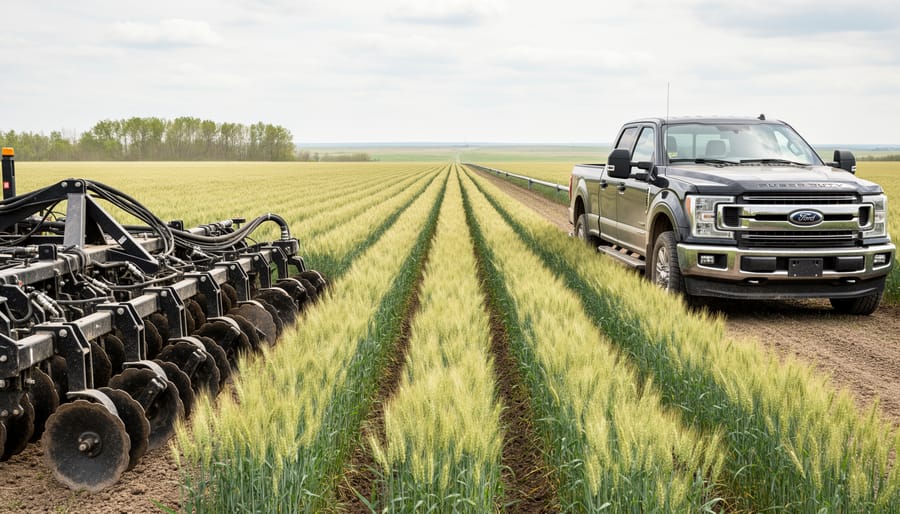
The Organic Connections conference offers the opportunity to get up close and personal with some of the leaders and pioneers of the organic community, as well as other experts who can help refine our perspectives. Richard Heinberg will attend by video link, bringing us his expertise without adding to our ecological footprint. Martin Entz will share energy comparisons of organic and conventional agriculture and discuss ways of reducing tillage (and thus fuel use) in organic production. Local experts will share solar power options.

Local chefs will explain how best to access the potentially lucrative niche markets of local restaurants. Experienced gardeners will share their knowledge of how to preserve the bounty of the summer garden harvest. Joel Salatin will speak on his approach to systems agriculture which embraces multiple land uses and local marketing techniques.

A full 3 day Transition Workshop will introduce people to the principles and techniques of organic production. This CASS approved workshop will be ideal for anyone considering getting into organic production. Experienced producers will be there to help participants chart their own path to success and field questions that only experienced organic farmers can answer.

How would agriculture look in a world with declining amounts of fossil fuel? Probably quite differently than it does today. Perhaps some of the solutions that will allow us to move towards that day are to be found in the techniques of the organic community.

Tracy Salisbury is an assistant in Organic Research and Extension at the University of Saskatchewan. Brenda Frick, Ph.D., P.Ag. is the Coordinator of Organic Research and Extension at the University of Saskatchewan and an OACC Affiliate. She welcomes your comments at 306-966-4975 or via email at organic@usask.ca. This article was commissioned by the Organic Agriculture Centre of Canada.


Posted December 2008

Top

© 2010, Organic Agriculture Centre of Canada (OACC)