To create an economy that consumes less carbon in the future, farmers can contribute a lot to this. This is especially true in Alberta since it has the boreal forest and grasslands, which are 2 crucial carbon sinks. Moreover, this is where ⅓ of Canada’s agricultural land is. You can also find here some of the greatest solar and wind energy resources.
Many people see solutions to climate issues as a burden in their daily lives. However, farming is one of these solutions. Besides resolving climate issues, farming also offers a lot of benefits such as better soil fertility, more economic opportunities, better management of ...
-
 Farm-to-Table Initiatives Technology and Digital Innovation What is Organic
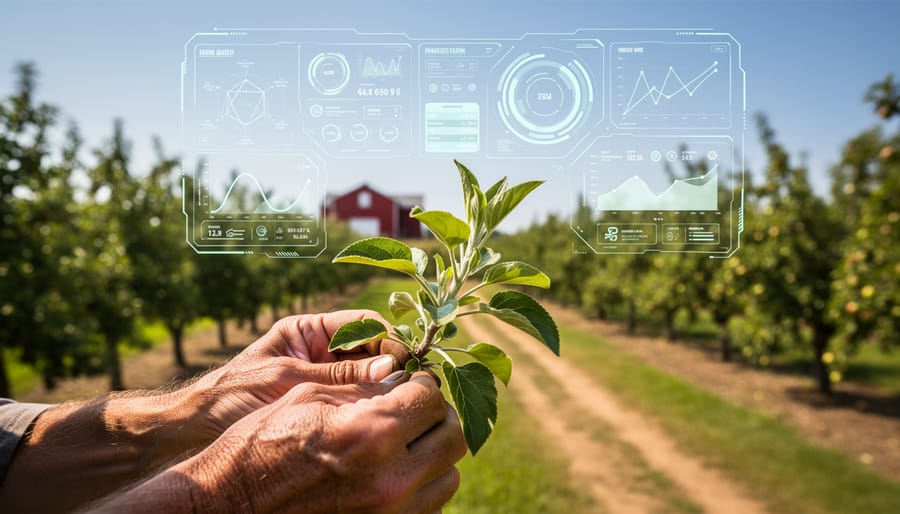
Visualizing the Future of Organic Farming: AI, Digital Tools and Agricultural Storytelling
Modern organic farming has long gone beyond simply rejecting chemicals…
-
 Integrated Pest and Disease Management
How JPro Diagnostics Is Changing Rapid On-Farm IPDM in Canadian Agriculture
JPro Diagnostics is a professional-grade, heavy-duty vehicle diagnostic tool that…
-
 Cultural and Indigenous Agricultural Wisdom
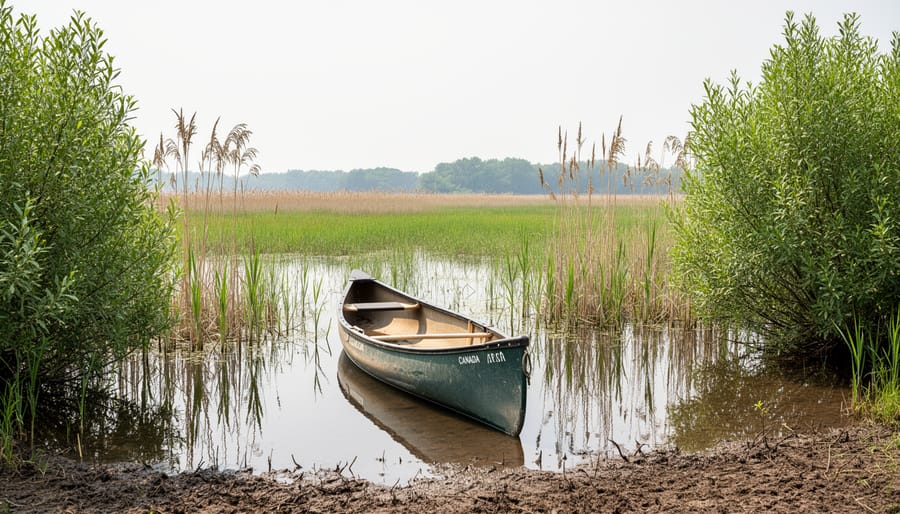
What Is Agriculture in Wetlands (and How Does It Work)?
Agriculture in wetlands is the practice of cultivating crops or…
-
 Sustainable Agro-Economics
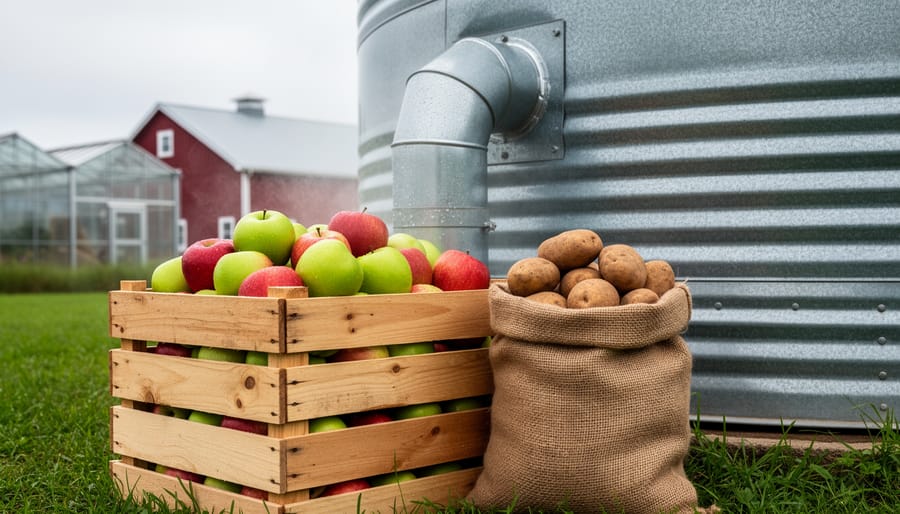
What Are Post Harvest Losses (and How Do They Impact Farm Economics)?
Post harvest losses are the measurable reduction in quantity, quality,…