Principles of Organic Horticulture (HORT 2001)
Offered by Dalhousie University, Faculty of Agriculture
NOTE: This course will not be offered in the 2012-2013 academic year.
Click here for more information.
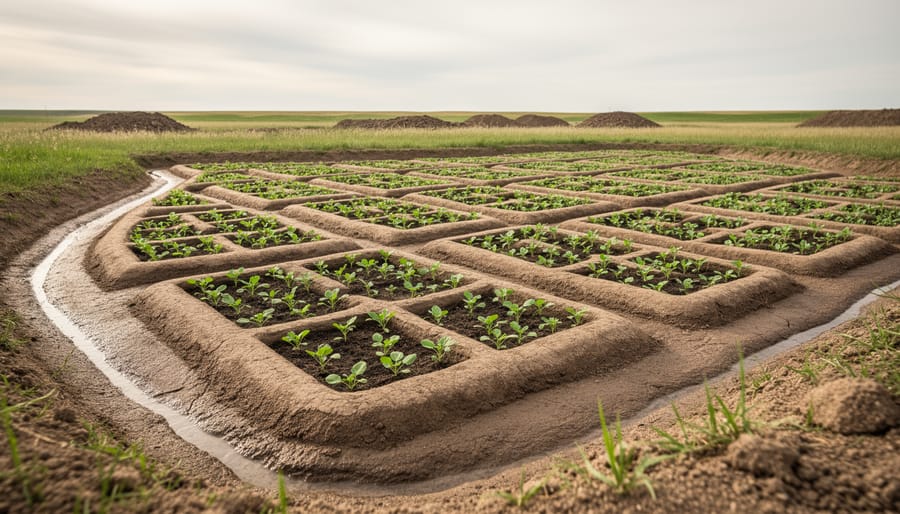
The overall objective of Principles of Organic Horticulture is to introduce you to the principles that form the basis for organic horticultural production systems. Special attention is given to soil fertility, organic soil amendments, compost and mulches, crop rotation, plant health, management of diseases and pests, companion planting, and produce storage/handling and marketing. Many of the details, such as crop specific production information, transitional period, and the certification process, are augmented with case studies of selected organic farms, or "farmer profiles". These profiles reflect the diversity, not only within the industry, but also within the country. You will apply their knowledge through an instructor approved project that will be presented as a PowerPoint Presentation (or appropriate alternative if you do not have access to PowerPoint). You will lead an on-line discussion on the presentation.
Modules:
1. Overview of Organic Agriculture Production
There are two important words that have become part of our lexicon,
organic and sustainable, and the current usage of these
two terms will be explored. The organic industry has been one of rapid
growth and development especially within the past decade. This unit will
focus on developing an understanding of the emerging Organic Industry,
and to place the industry within the context of today.
- What is Organic Agriculture Production?
- Organic Standards/Certification
- Record Keeping and Transition
- The Earth Charter
2. Components of Sustainable Horticulture
The most important maxim for organic production is: "Feed the
soil, not the plant." A "well-fed" soil, a fertile living
soil will produce healthy plants. In this module the components of creating
and maintaining a healthy living soil are examined.
- Understanding the Soil System
- Managing Fertility and Soil Structure
- Other Management Practices
3. Components of Vegetable Production Systems
This module focuses on a basic overview of organic vegetable production,
using a selection of vegetable species to illustrate some common practices.
- Classification Systems of Vegetable Crops and Crop Rotation
- Seeds, Transplants and Season Extension
- Crop Management
4. Components of Fruit Production Systems
This module focuses on a basic overview of organic fruit production,
using a selection of fruit species to illustrate some common practices.
- Considerations for Perennial Crop Production
- Crop Establishment
- Crop Management
- Harvest and Handling
5. Organic Horticulture Industry and Produce Marketing
In this module students will examine the organic horticultural crop
industry from several perspectives. First, trends in the Canadian, North
American and international markets will be examined to provide insights
into the sector. Considerable time will then be devoted to organic horticulture
in Canada, including a review of organic certification, and a comparison
of selected economic attributes generated using organic versus conventional
production methods. The issues considered in marketing organic horticulture
are also discussed, including a case study on cooperative marketing of
horticulture crop products.
- Trends in the International Organic Agriculture Market
- Organic Horticulture in Canada
- Marketing of Organic Horticultural Crop Products
- The Challenges of Marketing Cooperatively
About the Instructor
Please visit the Dalhousie University Faculty of Agriculture's Continuing and Distance Education page for more information.
|