To create an economy that consumes less carbon in the future, farmers can contribute a lot to this. This is especially true in Alberta since it has the boreal forest and grasslands, which are 2 crucial carbon sinks. Moreover, this is where ⅓ of Canada’s agricultural land is. You can also find here some of the greatest solar and wind energy resources.
Many people see solutions to climate issues as a burden in their daily lives. However, farming is one of these solutions. Besides resolving climate issues, farming also offers a lot of benefits such as better soil fertility, more economic opportunities, better management of ...
-
 Farmer's Blog
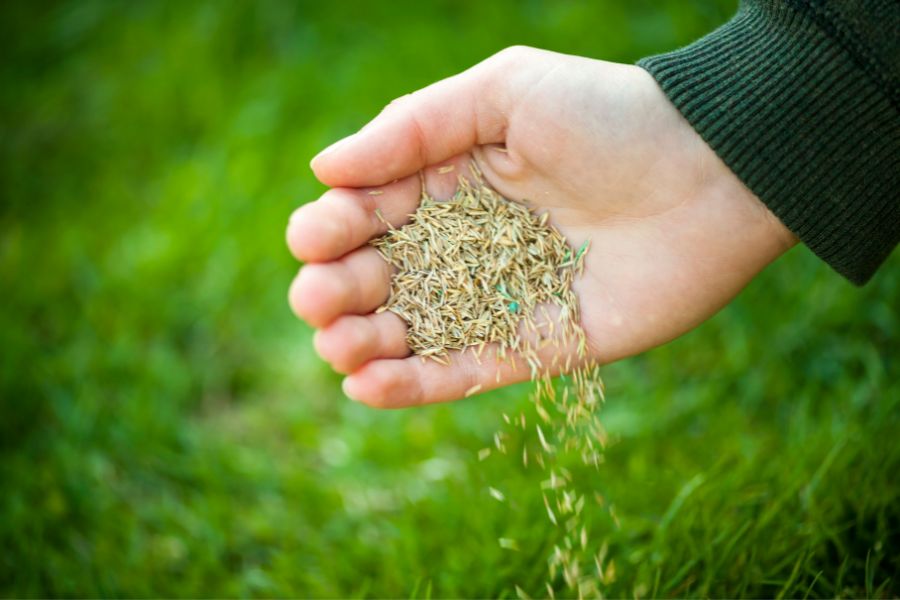
Unveiling How Long to Wait to Mow After Overseeding
The lush, vibrant green of a well-maintained lawn doesn’t just…
-
 Farmer's Blog
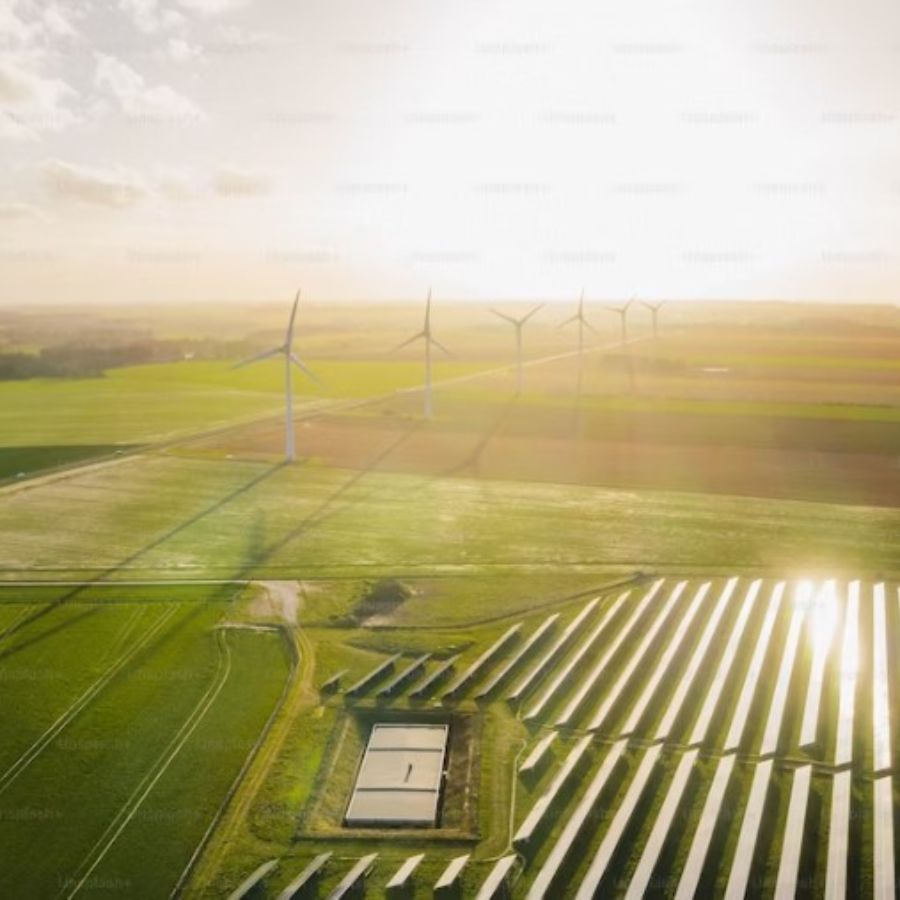
What Is Agrivoltaics
As the world seeks sustainable solutions to combat climate change…
-
 Resources
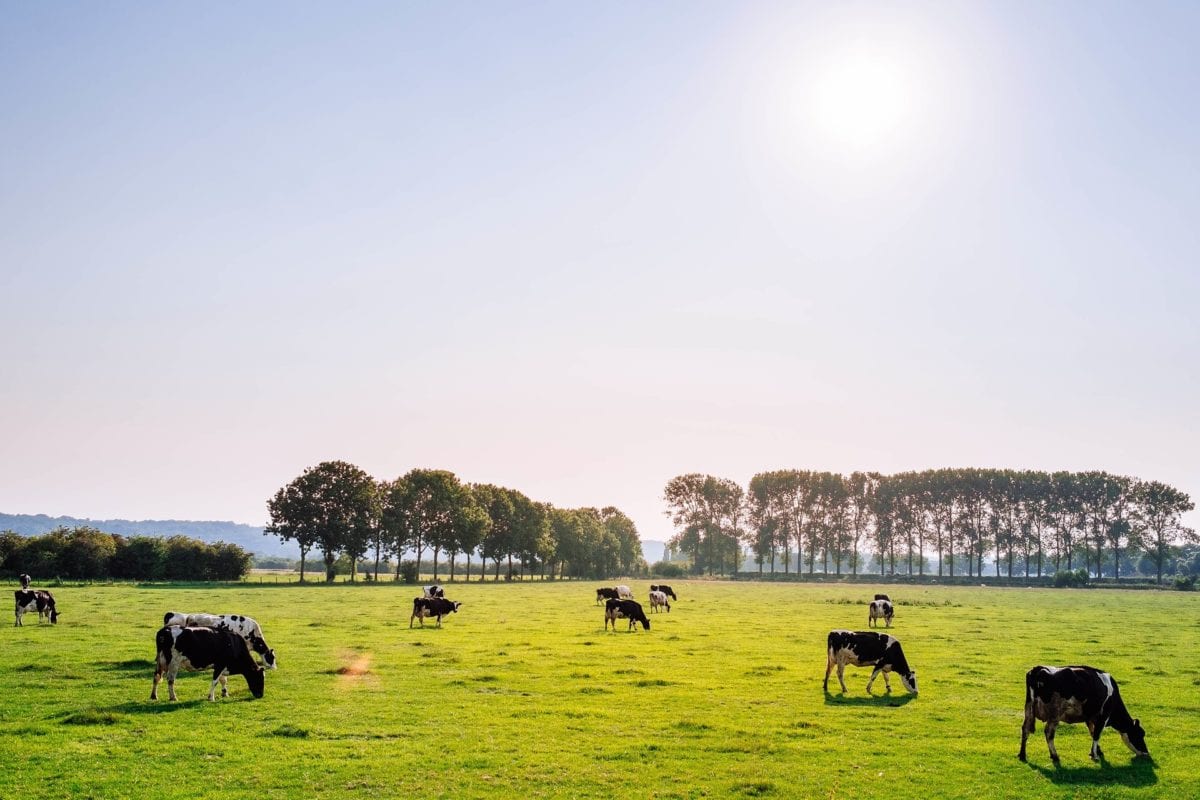
54 Farms to Grow Eastern Ontario Organically
Our GEO-O or Growing Eastern Ontario Organically has collaborated with…
-
 Resources
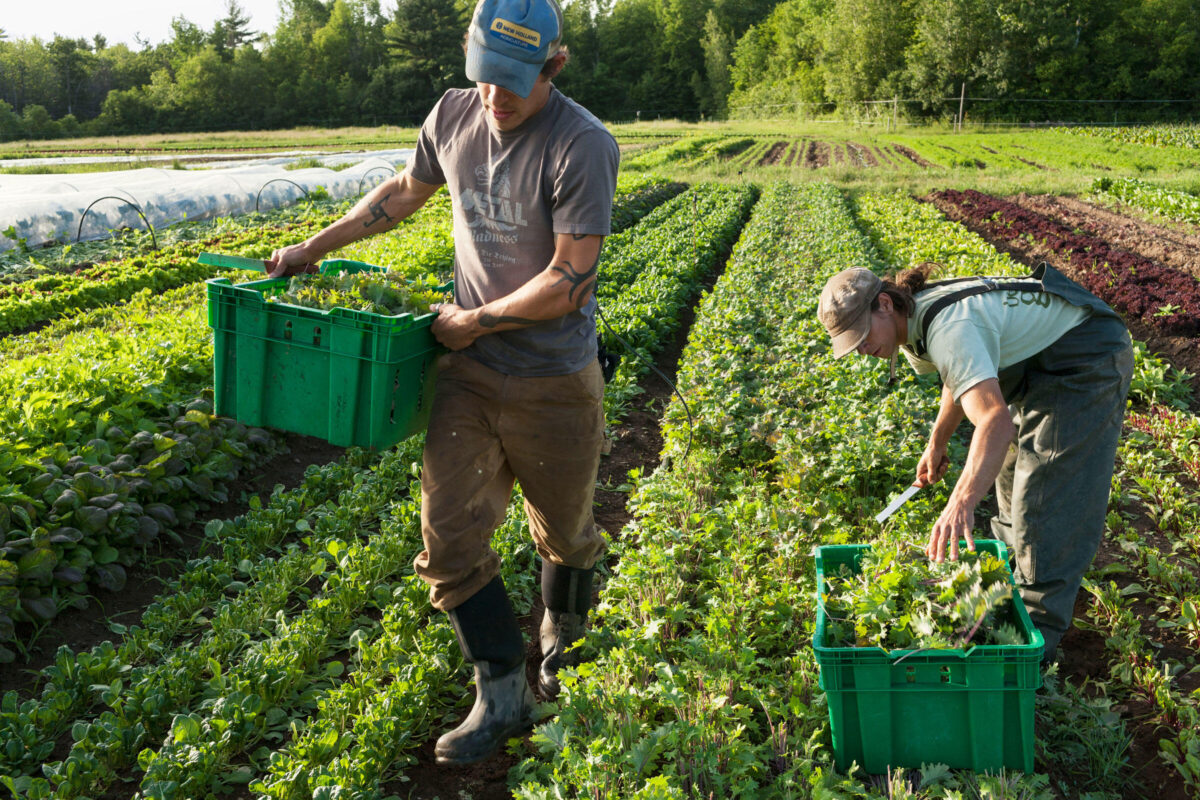
Providing Assistance to Organic Farmers
It was announced today that an investment of more than…